Choosing the Right Corporate Uniform
There is no single uniform design that works for every business. The ideal uniform depends on the industry, working environment, employee responsibilities, and brand identity.
An office environment may require smart shirts, trousers, blouses, skirts, or corporate dresses. A restaurant may need chef uniforms, front-of-house shirts, aprons, and coordinated accessories. A factory may require durable workwear designed for active environments.
Before selecting a uniform, businesses should consider how employees will actually use it throughout their working day.
Important factors include:
Comfort: Employees may wear uniforms for many hours, so comfortable fabrics and suitable fits are essential.
Functionality: Uniforms should support the tasks employees perform.
Durability: Workwear should withstand regular washing and everyday use.
Appearance: The design should reflect the company’s professional image.
Branding: Logos and colors should be incorporated in a clean and consistent way.
Office Uniforms
Corporate office uniforms often focus on creating a smart and professional appearance while maintaining comfort.
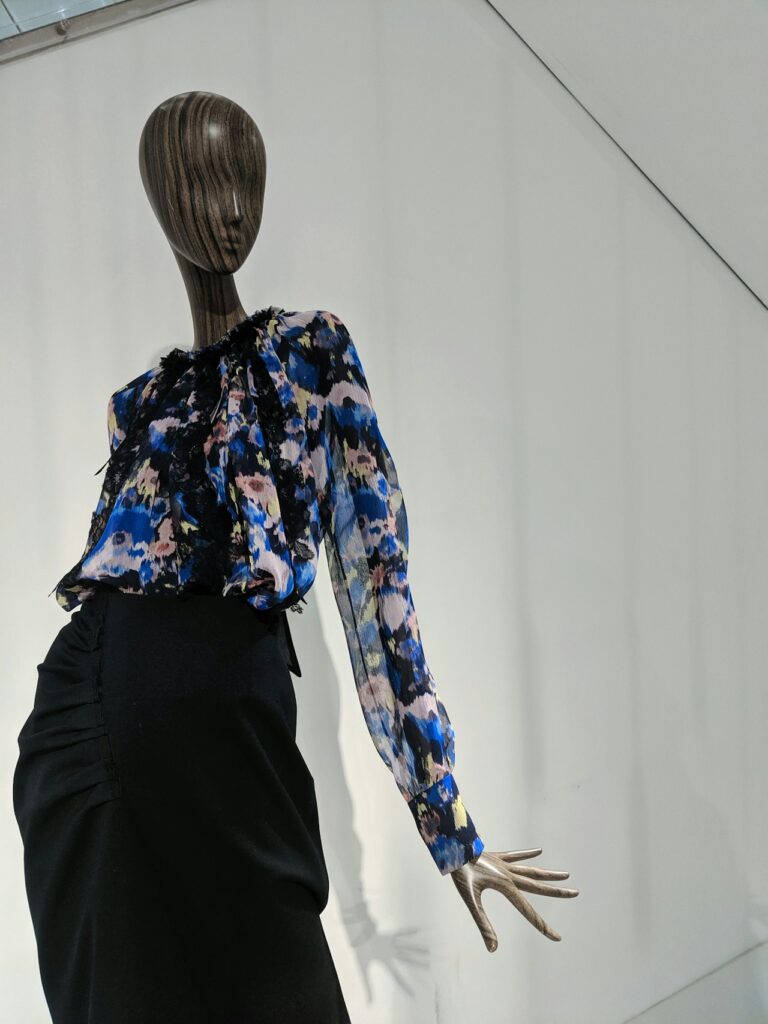
Men’s office uniforms may include formal shirts, polo shirts, trousers, blazers, or coordinated corporate jackets. Women’s office uniforms can include blouses, formal shirts, trousers, skirts, dresses, or tailored jackets.
The design does not always need to be overly formal. Modern businesses can combine professional clothing with contemporary cuts and comfortable fabrics to create a polished but approachable appearance.
Hotel and Hospitality Uniforms
Hospitality businesses have unique uniform requirements because employees interact directly with guests.
Hotels may require different uniforms for reception staff, housekeeping teams, restaurant employees, concierge teams, kitchen staff, and management.
A well-designed hospitality uniform should reflect the atmosphere and identity of the property while allowing employees to perform their responsibilities comfortably.
Colors, fabric choices, accessories, and styling can all contribute to creating a consistent guest experience.
Restaurant and Food Service Uniforms
Restaurant uniforms need to combine professional appearance with practicality.
Front-of-house employees may wear branded shirts, polo shirts, aprons, trousers, or coordinated dresses. Kitchen staff typically require specialized garments designed for the working environment.
Because food-service uniforms can experience frequent exposure to spills and stains, easy-care and durable fabrics are important considerations.
Factory and Industrial Uniforms
Industrial environments require uniforms that prioritize functionality and durability.
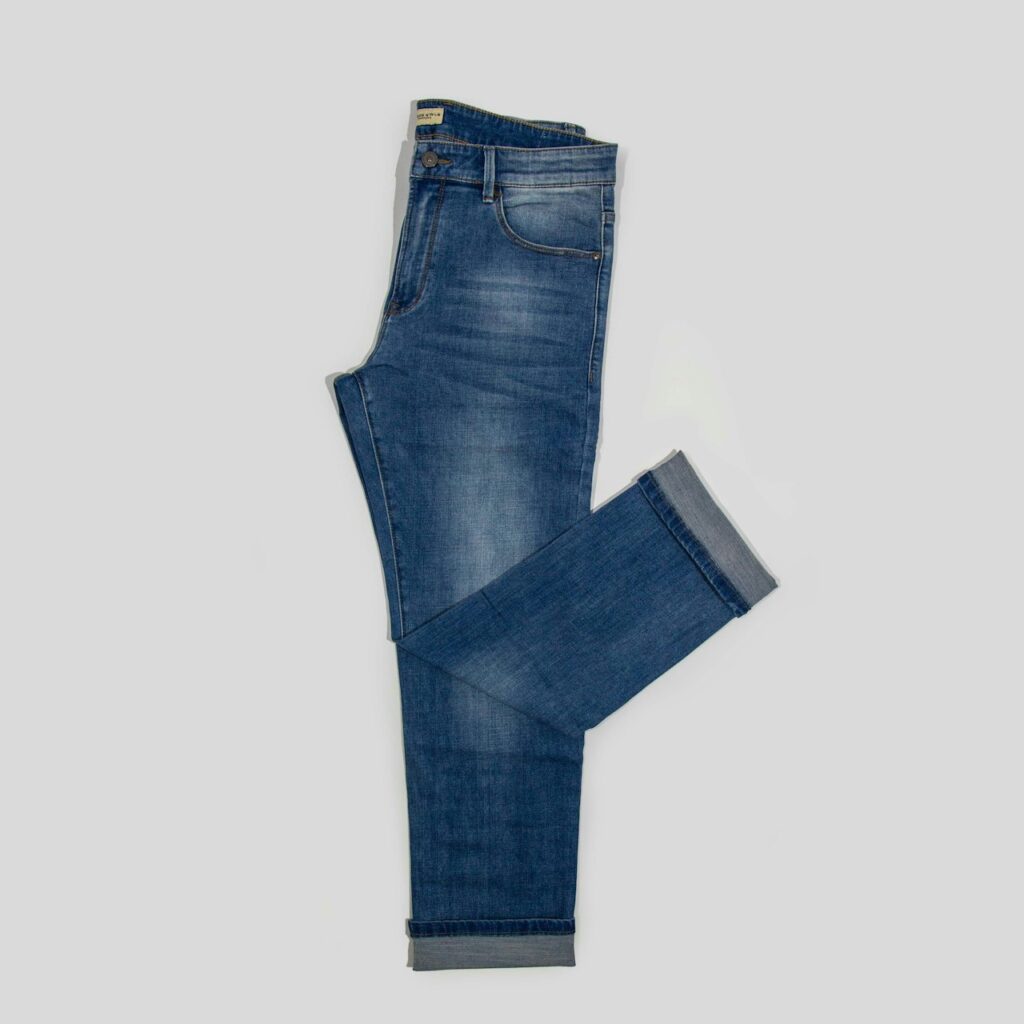
Factory uniforms may include work shirts, trousers, jackets, coveralls, safety clothing, and other specialized garments depending on the workplace.
Designing industrial uniforms requires consideration of movement, durability, workplace conditions, and applicable safety requirements.
Logistics and Transportation Uniforms
Logistics teams, drivers, warehouse employees, and delivery staff often work in active environments and may interact with customers regularly.
Uniforms can help identify employees while providing practical clothing for daily work. Polo shirts, work shirts, cargo trousers, jackets, and branded outerwear are common options.
For outdoor or mobile work, businesses may also consider clothing suitable for changing weather conditions and visibility requirements.
School and Educational Uniforms
School uniforms provide a consistent appearance for students and can simplify everyday clothing choices for families.
A school uniform program may include shirts, polo shirts, trousers, skirts, dresses, sweaters, sportswear, jackets, and accessories.
Durability is particularly important because school garments are worn frequently and washed regularly. Comfortable fabrics and appropriate sizing can also make uniforms easier for students to wear throughout the school day.
Sports and Promotional Uniforms
Corporate clothing is not limited to traditional workwear. Companies may also create uniforms for sports teams, promotional campaigns, exhibitions, events, and employee activities.
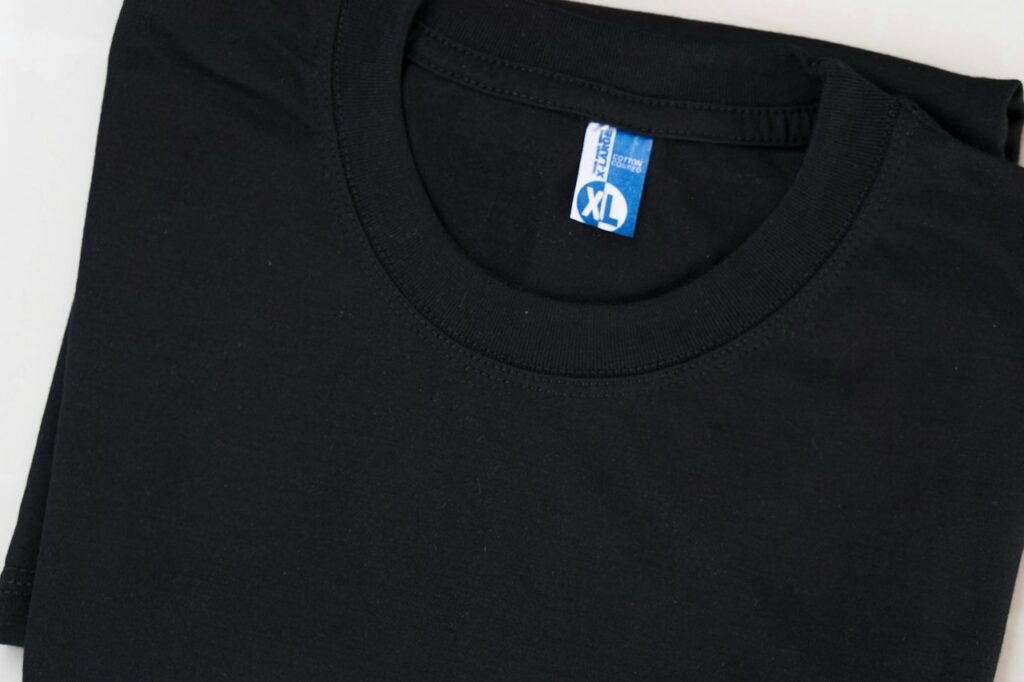
Branded T-shirts, polo shirts, jackets, caps, and sportswear can help create a consistent appearance during corporate events and promotional activities.
These garments can also provide an opportunity to increase brand visibility when employees participate in public events.
The Importance of Fabric
Fabric selection is one of the most important decisions when developing a corporate uniform.
Different environments require different fabric characteristics. Breathable cotton can be suitable for many everyday applications, while blended fabrics may offer benefits such as durability, easy maintenance, and improved shape retention.
For active workplaces, businesses may consider fabrics designed to provide greater flexibility and comfort.
The right fabric should be selected based on the working environment, climate, frequency of use, washing requirements, and employee comfort.
Customization and Branding
Customization allows companies to create uniforms that feel unique to their organization.
Common customization options include:
- Embroidered logos
- Printed logos
- Employee names
- Department names
- Custom colors
- Personalized patterns
- Branded buttons and accessories
Embroidery is often used for a premium appearance, particularly on polo shirts, shirts, jackets, and corporate workwear. Printing can provide greater flexibility for certain designs and promotional clothing.
The placement of branding should be carefully considered. A small logo on the chest or sleeve can create a clean appearance, while larger branding may be appropriate for promotional or outdoor uniforms.
Creating a Consistent Employee Experience
A successful uniform program should consider employees as well as customers.
Uniforms should provide enough comfort and flexibility for employees to perform their responsibilities effectively. Offering appropriate sizing and, where necessary, different garment options can help accommodate different roles and working conditions.
Employee feedback can also be useful when developing or updating a uniform program. Practical experience from the people wearing the garments every day can help identify improvements in fit, fabric, functionality, and design.
Corporate Uniforms as a Long-Term Investment
A corporate uniform is an investment in both employees and brand presentation. High-quality uniforms can maintain a professional appearance over extended periods while reducing the need for frequent replacement.
Businesses should consider the total lifecycle of a uniform rather than focusing only on the initial purchase price. Quality materials, durable construction, appropriate care instructions, and practical designs can contribute to better long-term value.
Professional Style Starts With the Right Uniform
Corporate uniforms bring together brand identity, professionalism, comfort, functionality, and consistency. Whether your organization operates in an office, hotel, restaurant, factory, school, logistics environment, healthcare setting, or retail space, the right uniform can help employees represent the business with confidence.
A thoughtfully designed uniform should do more than display a logo. It should reflect the character of the organization, support employees throughout their working day, and create a consistent experience for customers.
Dress Your Team With Confidence
From office uniforms and hospitality wear to factory workwear, restaurant uniforms, logistics clothing, school uniforms, medical wear, sportswear, and promotional apparel, corporate clothing can be customized to suit different industries and working environments.
Create a professional identity your team can wear with confidence. Discover corporate uniform solutions designed around your brand, your people, and the way you work.